Mastering map awareness in multiplayer shooters helps players anticipate enemy movements, secure objectives, and survive longer by turning knowledge of terrain and positioning into a decisive advantage.
Understanding the Importance of Map Awareness
Map awareness is a critical skill in any multiplayer shooter, yet it is often overlooked by new and even intermediate players. It refers to your ability to interpret and react to what is happening around the map, not just what is directly in front of you. Good map awareness allows you to anticipate enemy positions, avoid ambushes, and make smarter decisions when capturing objectives or supporting your team. Developing this skill can elevate your gameplay and help your team win more matches.
Learn the Layouts and Hotspots
Before diving into advanced strategies, start by learning the fundamental layouts of the maps you play most often. Pay attention to choke points, high-traffic areas, and common sightlines where enemies frequently appear. Knowing the fastest routes between objectives or spawn points helps you move efficiently and avoid running into unexpected danger. Many shooters offer private matches or map exploration modes, giving you the chance to walk through maps without pressure and commit key areas to memory.
Sound Cues and Visual Signals
Map awareness is not just about visual memory; it also involves listening for audio cues. Footsteps, gunfire, and environmental sounds often reveal enemy locations or ongoing skirmishes. Use a good headset or quality speakers to pick up on these subtle details. Likewise, pay attention to visual indicators like muzzle flashes, explosions, or movement in your peripheral vision. Combining sound cues with what you see can help you build a mental map of enemy activity as the match unfolds.
Keep Track of Spawns and Respawns
Understanding spawn mechanics is essential for predicting where enemies are likely to appear. In most shooters, enemies respawn in areas farthest from your team or in specific zones. If your team is pushing one side of the map, expect opponents to start appearing on the opposite side. Recognizing these patterns allows you to set up ambushes, avoid being flanked, or rotate to objectives before the enemy arrives. Over time, you will start to anticipate enemy movements based on where and when players respawn.
Use the Mini-Map Wisely
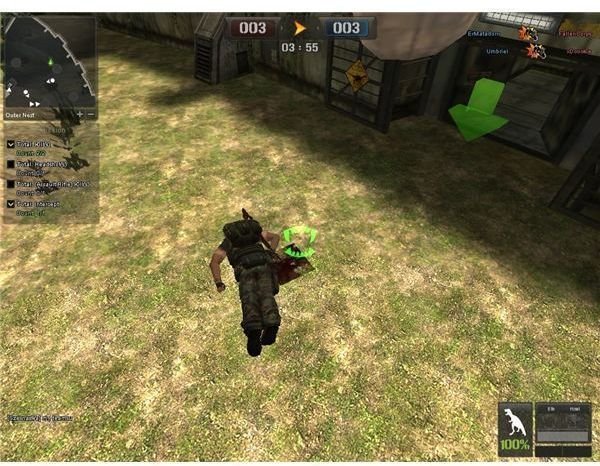
Most shooters provide a mini-map or radar to give players a quick overview of the battlefield. Glancing at the mini-map regularly can reveal enemy gunfire, teammate locations, and objective status. Learn to interpret what the mini-map is telling you without staring at it for too long, as tunnel vision can get you caught off guard. Some games allow you to ping or mark locations-use these features to communicate threats or opportunities to your team without breaking focus from the main action.
Control Key Areas for Team Advantage
Holding control over specific map areas can turn the tide of a match. High ground, overwatch points, and central corridors often provide tactical advantages, such as better sightlines or easier defense. Work with your teammates to secure these positions and deny them to the enemy. Remember that controlling a key area is not just about camping; it is about using your location to gather information, support your allies, and put pressure on the opposing team.
Rotate and Flank Intelligently
Map awareness is not static-it requires constant adjustment. If you find yourself stuck in a stalemate or being outmaneuvered, consider rotating to a different part of the map. Flanking is most effective when you know where the enemy is focused or overcommitted. Use quieter routes, cover, and timing to surprise opponents from the sides or rear. By rotating and flanking at the right moments, you can break enemy lines and create openings for your team to advance.
Communicate and Share Information
Effective communication amplifies your map awareness. Share what you see and hear with your team, whether through voice chat or quick pings. Call out enemy positions, movement patterns, or potential threats. Even simple updates like “two enemies pushing left” or “sniper on the roof” can help your teammates make informed decisions. The more information your team has, the easier it is to coordinate strategies and avoid being caught off guard.
Practice and Review Your Matches
Like any skill, map awareness improves with deliberate practice and reflection. After matches, take a moment to think about where you were caught off guard or where you lost track of enemies. Use available replay systems or recordings to review your positioning and movement. Look for patterns in enemy behavior and how you can adjust your awareness next time. Over time, consistent practice will make reading the map second nature.
Quick Tips for Better Map Awareness
- Spend a few minutes in private matches to explore new maps
- Regularly glance at your mini-map, but do not fixate on it
- Listen for footsteps and gunfire to pinpoint enemy locations
- Communicate enemy positions and map control with your team
Conclusion: Make Map Awareness a Habit
Mastering map awareness in multiplayer shooters is a gradual process, but the benefits are undeniable. By learning map layouts, using visual and audio cues, tracking spawns, controlling key areas, and communicating effectively, you will make smarter decisions that boost your individual performance and your team’s success. Make a habit of practicing these tips, and soon you will find yourself anticipating enemy moves, staying one step ahead, and enjoying more consistent victories with every match.