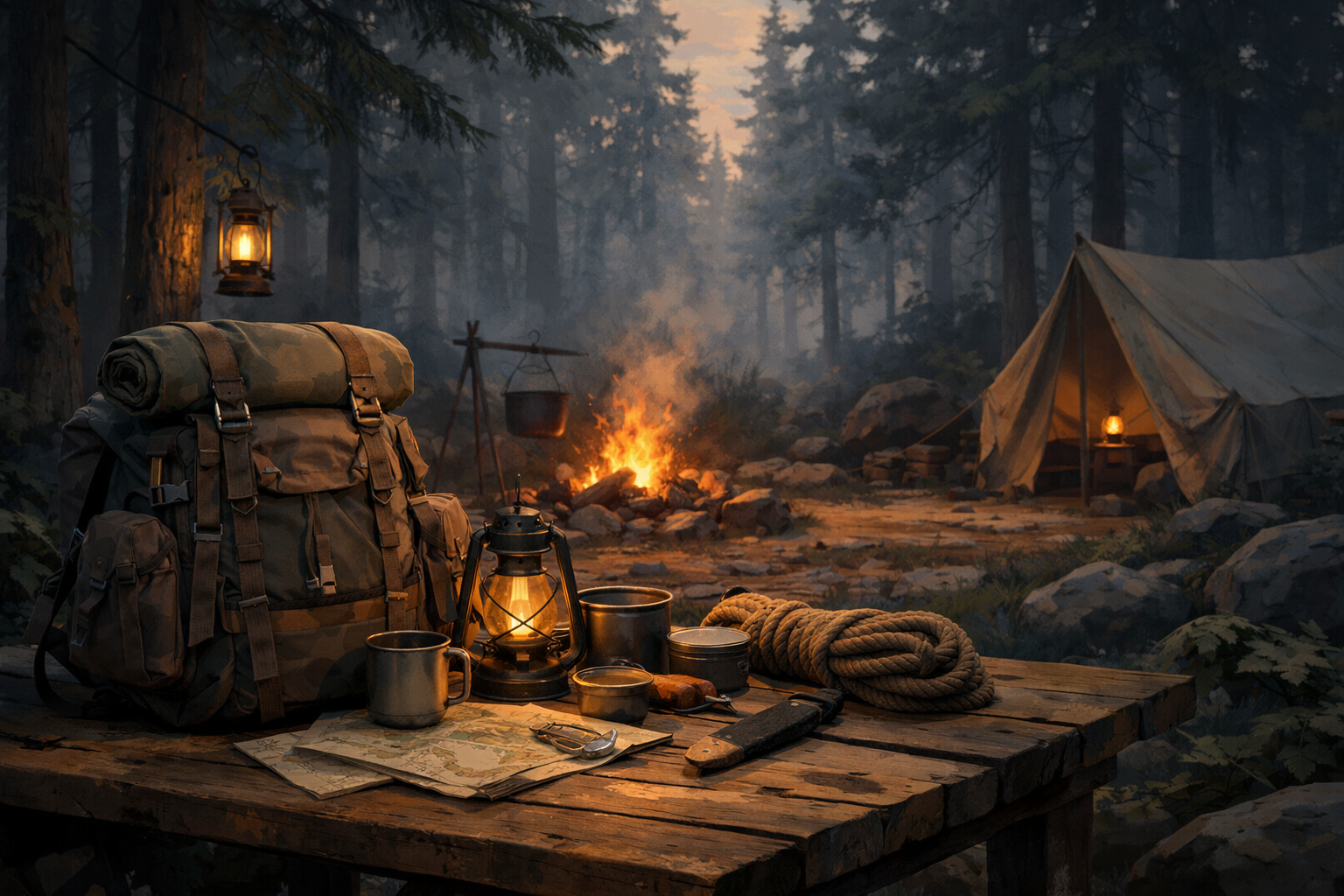
Mastering inventory management habits can transform survival RPG gameplay, reducing frantic moments and enhancing strategic decision-making for a smoother, more enjoyable experience.
Effective inventory management is a critical skill in survival RPGs, where resources are scarce and quick decisions matter. Poor organization can turn a thrilling adventure into a stressful scramble, but developing solid habits makes gameplay more manageable and enjoyable. Here are key habits that tame inventory chaos and keep you prepared.
Prioritize Essential Items
Survival RPGs often flood players with loot, crafting materials, and consumables. The first step is deciding what truly matters. Carrying too many low-value items wastes space that could be used for critical gear like healing supplies, weapons, or crafting components. For example, in a game like The Long Dark, stacking multiple types of food with different spoil timers can clutter your inventory and cause you to lose track of what can be eaten safely. Stick to essentials that support your survival strategy, such as reliable food, water, and repair kits.
Use Categorization and Sorting
Organizing items into categories helps you find what you need quickly. Many games allow sorting by item type, weight, or value - use these features to your advantage. If the game doesn’t offer sorting, create mental or physical categories, like grouping weapons, medical supplies, and crafting materials separately. For instance, in Fallout survival modes, categorizing junk items by material type (metal, wood, cloth) streamlines crafting and reduces inventory clutter.
Regularly Discard or Store Unneeded Items
One common cause of frantic inventory moments is hoarding everything “just in case.” Regularly assess your inventory to discard or store nonessential items. Use storage chests or campsites to offload excess gear safely. This habit frees up space for new loot and reduces decision fatigue during critical moments. For example, in Subnautica, players often create underwater bases with storage containers to offload excess materials, preventing inventory overload during exploration.
Maintain Weight Awareness
Most survival RPGs impose weight or slot limits on inventory. Keeping track of your current weight load prevents over-encumbrance, which slows movement and can lead to dangerous situations. Make it a habit to check your weight after looting or crafting and drop or store heavier items if needed. In DayZ, carrying too much slows your character and makes noise, attracting threats, so weight management is vital.
Create a Dedicated Quick-Access Setup
Quick access to frequently used items can be a lifesaver during combat or emergencies. Assign key healing items, weapons, or tools to hotkeys or quick slots. This setup reduces the time spent navigating menus and allows you to react swiftly. For example, in The Forest, players often assign a bandage and an axe to quick slots for fast healing and defense.
Plan Inventory Around Your Playstyle
Inventory needs differ based on whether you prefer stealth, combat, crafting, or exploration. Tailor your carrying habits to your approach. A stealth player might prioritize silent weapons and distraction tools, while a combat-focused player carries more ammo and armor. Recognizing your style helps avoid carrying unnecessary items and keeps your inventory purpose-driven.
Use Containers Strategically
Many survival RPGs provide portable containers like backpacks or pouches that increase capacity. Upgrade or switch containers based on your current needs. For example, when heading into a scavenging run, use a larger backpack to maximize haul size. Conversely, switch to a lighter bag when speed and stealth are priorities. In Escape from Tarkov, players must choose containers carefully to balance capacity and mobility.
Regularly Review and Adjust Inventory
Inventory management isn’t a one-time task but an ongoing process. Make it a habit to review your inventory after major events, like completing a mission or returning to base. This review helps you identify redundant items, restock essentials, and adjust your loadout for upcoming challenges. Over time, this habit builds efficiency and reduces last-minute panic.
By adopting these inventory management habits, survival RPG players can reduce frantic moments and approach challenges with confidence. Prioritizing essentials, organizing effectively, and tailoring your inventory to your needs create a smoother gameplay experience. Remember, inventory management is as much a part of survival strategy as combat or exploration. Taking the time to master it pays off in calmer, more controlled adventures.
Keep these habits consistent, and your next survival RPG session will feel less like a scramble and more like a well-planned expedition.