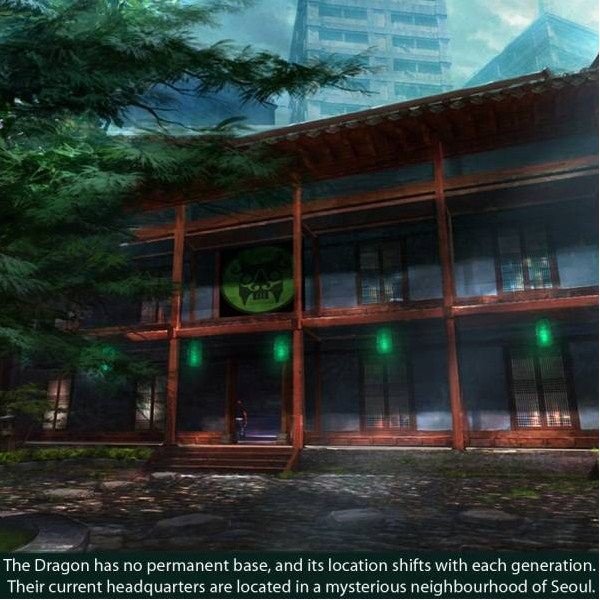
Choosing the right base location in survival games involves critical questions about resources, defense, and environment to ensure long-term success and player safety.
Why Is Resource Proximity Crucial?
One of the first questions to consider when placing your base is how close it is to essential resources. In survival games, gathering materials like wood, stone, food, and water is a constant need. A nearby forest or river can reduce travel time and risk, making farming resources more efficient. However, being too close to high-value resources might attract other players or hostile NPCs. Balance convenience with safety by scouting resource nodes before committing.
How Defensible Is the Location?
Defense should be a top priority. Ask yourself if the base site offers natural barriers such as cliffs, water bodies, or dense foliage that can slow down or funnel attackers. Elevated positions can provide better visibility and tactical advantages. Also, consider how easy it is to build fortifications on the terrain. Flat ground may be easier to build on but might lack defensive benefits. Survey the area for blind spots and potential approach routes enemies could exploit.
What Environmental Hazards Are Present?
Environmental dangers like extreme weather, radiation zones, or frequent predator spawns can impact your base’s safety and sustainability. Investigate the local climate and terrain hazards to understand how they affect your survival. For example, a snowy biome might require extra effort to maintain warmth, while swampy areas might slow movement or cause poisoning. Choosing a location with manageable hazards can reduce the need for constant resource expenditure on protection or healing.
How Accessible Is the Base for Travel and Expansion?
Consider your long-term plans for exploration and growth. Is the base near roads, rivers, or other natural travel corridors? Accessibility influences how easily you can venture out for missions, trade, or scavenging. Also, think about space for expanding your base. Some survival games allow you to build multiple structures or farms; picking a location with room to grow can save time later. Avoid cramped areas that limit your ability to upgrade or diversify your base.
What Is the Visibility Level From and To the Base?
Visibility affects both stealth and defense. A highly visible base might deter surprise attacks but also draws unwanted attention. Conversely, a hidden base reduces detection risk but can be harder to navigate back to, especially in multiplayer settings. Ask how visible your base is from common player paths or vantage points. Use natural cover or build camouflage structures to blend in. Remember, balance is key-being too hidden might isolate you from allies or resources.
How Does Multiplayer Influence Base Placement?
In multiplayer survival games, other players’ presence changes the dynamics significantly. You should ask about proximity to allies and foes. Being close to friends can provide mutual defense and resource sharing, but it can also make you a target if enemies seek to disrupt alliances. On the other hand, distant bases might offer solitude but at the cost of support. Additionally, consider server population density and typical player behavior to gauge how contested your chosen area might be.
What Infrastructure Is Needed Near the Base?
Think about the infrastructure required to support your survival goals. Do you need access to specific crafting stations, trading posts, or fast travel points? Some maps have fixed locations that facilitate these functions, and being near them can streamline gameplay. Also, check if the terrain supports farming, animal husbandry, or renewable resource gathering. Planning infrastructure early saves effort and helps you build a self-sustaining base.
How Will the Base Support Your Playstyle?
Finally, base placement should align with how you prefer to play. If you favor aggressive exploration, a centrally located base with multiple exit points might suit you. If you enjoy stealth and defense, a secluded, hard-to-reach spot could be better. For players who like crafting and building, large flat areas might be ideal. Reflect on your priorities and ask if the location enhances your enjoyment and strategy.
Practical Tips for Early Base Placement
- Spend time scouting before building.
- Prioritize resource access balanced with safety.
- Use natural terrain for defense.
- Plan for expansion and infrastructure.
- Consider multiplayer dynamics.
- Adapt placement to your playstyle.
Taking the time to ask these questions early can save frustration and improve your survival chances. Base placement is a foundational decision that affects nearly every aspect of gameplay, from resource gathering to combat and exploration. Thoughtful planning leads to a more enjoyable and sustainable experience.
In conclusion, choosing a base location in survival games is about balancing resource availability, defense, environmental factors, and your personal playstyle. By carefully evaluating these elements, you can create a stronghold that supports your journey and growth throughout the game. Remember, no base is perfect, but asking the right questions early helps you build a foundation that stands the test of time.