Mastering turn-based tactical positioning is essential for overcoming challenging encounters, using smart movement, terrain advantage, and unit synergy to control the battlefield effectively.
Understanding the Importance of Positioning
In turn-based tactical games, positioning your units correctly can make the difference between victory and defeat. Unlike real-time games, you have the opportunity to carefully plan each move, making every step critical. Proper positioning allows you to maximize your attack potential while minimizing enemy threats. For example, placing a ranged unit behind cover can keep it safe from melee attackers while still allowing it to deal damage. The key is to anticipate enemy movements and control key areas on the map to limit their options.
Utilizing Terrain to Your Advantage
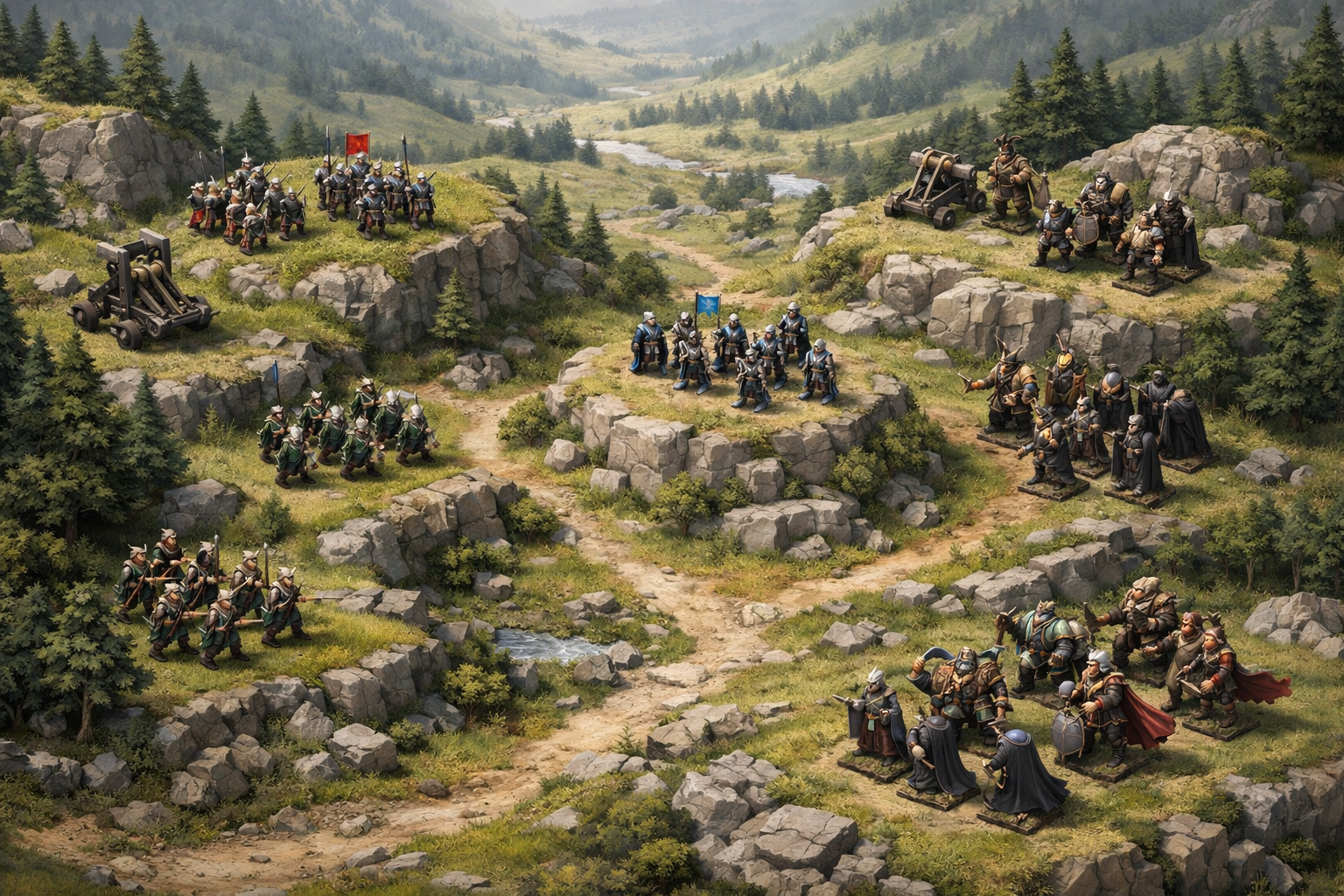
Terrain features like high ground, cover, and choke points can dramatically influence the outcome of a battle. High ground often provides increased attack range or damage bonuses, so positioning archers or snipers on elevated tiles is a classic tactic. Cover reduces incoming damage or improves defense, so moving units behind walls, trees, or debris can help them survive longer. Choke points funnel enemies into narrow paths, making them vulnerable to area attacks or ambushes. For instance, in many strategy games, blocking a narrow bridge forces enemies to approach one at a time, allowing you to pick them off systematically.
Flanking and Surrounding Enemies
Flanking is a powerful tactic that involves attacking enemies from the sides or rear, often bypassing their defenses. Units facing an enemy directly usually have stronger defense, so attacking from unexpected angles can increase damage dealt or cause status effects like stun or panic. Surrounding an enemy unit completely can sometimes prevent it from retreating or using certain abilities. For example, in tactical RPGs, positioning melee fighters to block escape routes while ranged units attack from behind can quickly overwhelm tough foes.
Balancing Offense and Defense
While aggressive positioning can end fights faster, it’s crucial to maintain a defensive posture to protect vulnerable units. Overextending a damage dealer without backup can result in easy kills for the enemy. A balanced approach involves keeping frontline units engaged in blocking enemy advances while supporting units provide ranged fire or healing from safer positions. In one common scenario, placing a tank character in cover at the front line while healers and mages stay behind ensures sustained pressure without risking critical team members.
Coordinating Unit Synergies
Many turn-based games feature units with complementary abilities, making positioning essential for maximizing synergy. Buffing or healing units should stay close enough to allies to extend their effects, while debuffers should position themselves to affect multiple enemies. For example, a unit with an area-of-effect stun should be placed where it can hit clustered foes, while an archer benefits from clear lines of sight and protection from flanking. Effective positioning amplifies these synergies by ensuring units can support each other without exposing weaknesses.
Managing Movement and Action Economy
Each turn, you must decide how to allocate movement and actions efficiently. Sometimes it’s better to hold position and prepare for an enemy’s move rather than advancing recklessly. Planning ahead by moving units into positions that threaten multiple enemies or securing critical objectives can force opponents into defensive plays. For instance, moving a scout unit into a forward position to reveal enemy locations without risking engagement provides valuable intel for the next turn. Understanding how much movement remains after an action helps avoid leaving units vulnerable.
Adapting to Enemy Behavior
Enemy AI patterns often follow predictable behaviors, such as focusing on the closest threat or prioritizing weaker units. Observing these tendencies allows you to bait enemies into traps or lure them away from objectives. If enemies cluster together, positioning units with area attacks to exploit their formation is wise. Conversely, if foes spread out, focusing fire on isolated units by quickly repositioning can reduce their numbers efficiently. Flexibility in positioning is key to countering different enemy strategies.
Practical Example: Defending a Critical Objective
Imagine a scenario where you must defend a vital control point on the map. Position your strongest melee units at choke points leading to the objective, using terrain for cover. Place ranged units on high ground overlooking the approach paths to target enemies as they advance. Keep healers and support units just behind the front line to maintain unit health and morale. Use flanking units to patrol side routes and prevent enemy sneaking or encirclement. By controlling these zones and coordinating unit roles through positioning, you can hold the objective against superior numbers.
Proper positioning in turn-based tactical games requires a balance of foresight, terrain awareness, unit synergy, and adaptability. By mastering these concepts, players can turn tough encounters into manageable battles, gaining strategic advantages that lead to consistent success on the battlefield.