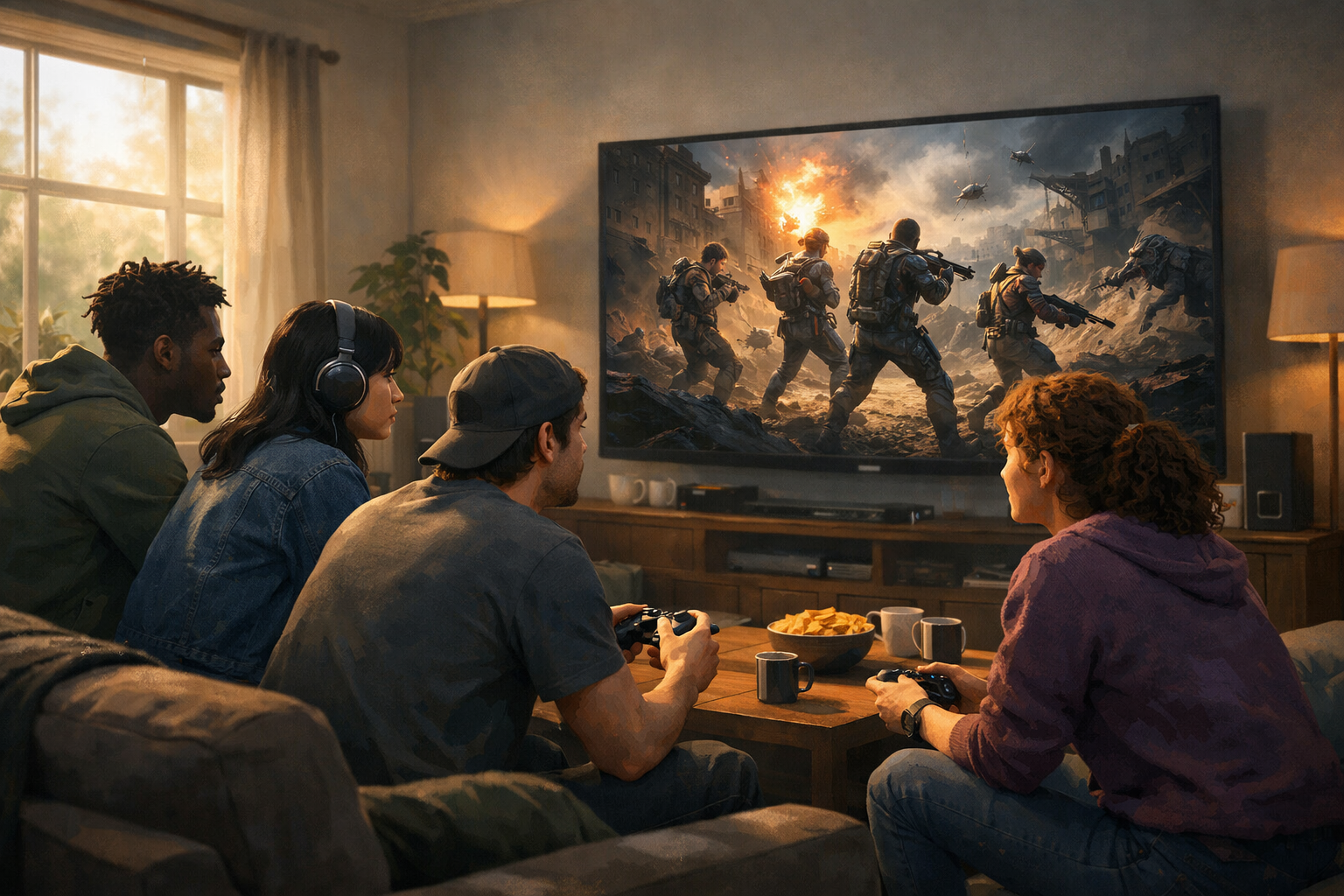
Effective communication habits in co-op shooter games enhance teamwork, streamline mission progress, and improve overall player success through clear, concise, and timely exchanges.
Prioritize Clear and Concise Communication
In fast-paced co-op shooters, clarity is key. When every second counts, using short, direct phrases can prevent confusion and speed up team responses. Instead of vague calls like “Enemies ahead,” specify “Two enemies at the left door.” This precision helps teammates react quickly and coordinate effectively without wasting time deciphering messages.
For example, in a mission where stealth is vital, saying “Silent takedown on two guards by the north entrance” immediately informs teammates of the plan and location, ensuring everyone moves in sync. Avoid unnecessary chatter that can clutter voice channels and distract players from critical information.
Use Consistent Callouts and Terminology
Consistency in callouts builds shared understanding. Teams that agree on specific terms for map locations, enemy types, or objectives reduce miscommunication. For instance, labeling a particular building as “The Tower” or a corridor as “Main Hall” helps everyone visualize and respond to calls without hesitation.
Many shooters allow marking or pinging locations; pairing these visual aids with standardized verbal callouts reinforces clarity. When a teammate calls out “Sniper on The Tower,” others instantly know where to focus fire or take cover. Establish these terms early in your gaming sessions or before starting a mission to set a solid communication foundation.
Assign and Respect Roles Within the Team
Clear role assignment improves coordination and prevents overlap. Whether someone is the designated scout, medic, or heavy gunner, knowing each player’s responsibility allows the team to operate efficiently.
For example, the scout might focus on reconnaissance and alerting the team to enemy positions, while the medic prioritizes healing and reviving downed teammates. When roles are respected, players avoid redundant actions and can cover each other’s weaknesses effectively.
During missions, role-specific communication helps. A scout might say, “Path clear to the next checkpoint,” while the medic reports, “Healing up, ready to move.” This keeps the team updated on individual status and readiness.
Practice Active Listening and Feedback
Good communication is a two-way street. Active listening ensures players catch important details and respond appropriately. When a teammate shares critical info, acknowledge it with quick confirmations like “Got it” or “Copy that.” This confirms the message was received and understood.
Also, provide constructive feedback when necessary. If a teammate’s callout is unclear, politely ask for clarification: “Which side of the building?” This avoids mistakes that could jeopardize the mission. Encouraging open dialogue fosters trust and improves overall team dynamics.
Use Non-Verbal Communication Tools
Not all communication needs to be verbal. Many co-op shooters include ping systems, markers, or emotes that convey information silently and quickly. Using these tools reduces voice channel clutter and allows for discreet communication when stealth or focus is required.
For instance, pinging an enemy location or marking an objective can alert teammates without interrupting ongoing conversations. Combining non-verbal signals with brief verbal updates maximizes clarity and efficiency.
Manage Stress and Stay Calm Under Pressure
High-stakes missions can cause stress and frantic communication, which often leads to errors. Maintaining a calm tone helps keep the team focused and reduces panic.
If a situation becomes chaotic, try to speak slowly and clearly rather than shouting. For example, instead of yelling “We’re surrounded!”, say “Enemies closing in, fall back to cover.” This provides actionable information and helps teammates respond strategically rather than react emotionally.
Encourage teammates to take deep breaths and regroup if needed. Calm communication can turn a potentially disastrous moment into a successful regroup and counterattack.
Regularly Update and Share Mission Status
Keeping everyone informed about progress and changes in the mission prevents surprises and maintains coordination. Share updates like “Objective secured, moving to extraction point” or “Ammo low, resupplying now.”
This transparency allows teammates to adjust their strategies and support each other effectively. For example, if one player is low on resources, others can cover or provide assistance. Regular status updates help synchronize team actions and prevent missteps.
Debrief After Missions to Improve Communication
After completing a mission, take time to review what communication habits worked and what could improve. Discuss any misunderstandings or moments where information was missed. Sharing these insights strengthens future teamwork.
For example, if a teammate struggled with callout clarity, suggest ways to make them more precise or practice together. If non-verbal signals were underused, encourage incorporating them more often. Continuous improvement in communication habits leads to smoother missions and greater success.
Closing Thoughts
Strong communication is the backbone of successful co-op shooter gameplay. By prioritizing clear, consistent, and calm exchanges, respecting roles, and using both verbal and non-verbal tools, teams can navigate missions more effectively. Regular updates and post-mission debriefs help refine these habits over time, making each cooperative experience more rewarding. Focus on cultivating these practices in your gaming sessions to keep missions moving smoothly and enjoy better teamwork.