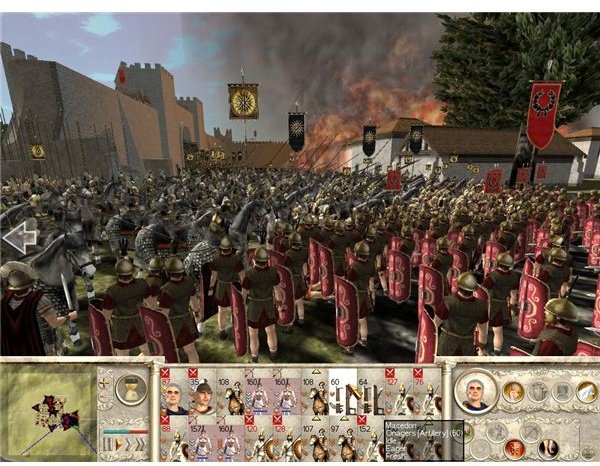
Starting older games on normal difficulty offers the best balance between nostalgia, challenge, and accessibility, letting players appreciate design choices without unnecessary frustration or lost context.
Understanding Difficulty in Retro Games
Difficulty settings in older games often carry different meanings than those in modern titles. While today’s games might use difficulty levels to tweak accessibility or personalize experiences, classic PC and console games typically designed their “normal” mode as the intended baseline. Developers calibrated story pacing, enemy placement, and resource availability with this setting in mind. Choosing normal preserves the original vision, providing a balanced introduction to the game’s mechanics and design philosophy.
The Nostalgic Sweet Spot
Revisiting older games is as much about recapturing the feel of a bygone era as it is about completing objectives. Playing on normal difficulty helps recapture the authentic experience that most players had when these games were first released. This approach lets newcomers and returning fans alike enjoy the game as it was meant to be played, preserving both the intended level of challenge and the sense of accomplishment that comes with mastering classic mechanics.
Avoiding Unintentional Frustration
Many retro games are already notorious for their difficulty spikes and limited checkpoints. Jumping straight into hard mode can quickly turn a nostalgic trip into a test of patience, especially when design conventions favored punishing mistakes. By starting on normal, players can avoid unnecessary roadblocks, making it easier to learn the ropes before deciding if greater challenge is worthwhile. This prevents burnout and keeps the experience enjoyable rather than tedious.
Learning Game Mechanics the Right Way
Older games often lack the comprehensive tutorials or hand-holding common in modern titles. Normal difficulty is usually where the core mechanics are introduced at a manageable pace. This gives players room to experiment, make mistakes, and gradually master systems like combat, inventory, and exploration. Attempting higher difficulties without this foundational understanding can lead to confusion or missed strategies that are vital for success.
Appreciating Level and Enemy Design
Classic games frequently feature handcrafted levels and carefully placed enemies. Normal difficulty allows players to appreciate these design choices without overwhelming pressure. On harder settings, enemy health and damage may be artificially increased, sometimes disrupting the careful balance developers intended. By playing on normal, players can observe subtle details, such as enemy patterns and environmental cues, that might otherwise be lost in the chaos of more punishing modes.
Preserving Story and Atmosphere
Many older games weave story and atmosphere tightly into gameplay. Excessive difficulty can interrupt narrative flow or discourage exploration, especially if progress is hindered by frequent deaths or resource scarcity. Normal mode typically strikes a balance, letting players absorb the world-building and plot at the intended pace. This is especially important in RPGs and story-driven adventures where context and immersion are key to appreciating the game’s legacy.
Respecting Developer Intent
When classic games were made, normal difficulty was rarely an afterthought. Developers poured effort into balancing this mode to provide the optimal experience. Playing on normal respects that intent, offering a glimpse into the design mindset of the era. It also serves as a common ground for discussion and comparison, since most guides, walkthroughs, and community memories are based on this default setting.
Building Confidence for Higher Challenges
Starting with normal difficulty does not mean avoiding challenge altogether. Retro games can still be tough, even on default settings. However, normal mode provides a fair introduction, allowing players to build confidence and proficiency. Once familiar with mechanics and level layouts, players can revisit harder difficulties for an extra test, armed with the experience and knowledge gained from their initial playthrough.
Avoiding Modern Habits That Undermine Enjoyment
Modern gaming habits, such as expecting frequent checkpoints or customizable assists, can lead players to underestimate older games’ inherent challenges. Jumping into hard mode out of habit may result in missed enjoyment or a skewed impression of the game’s design. Normal difficulty encourages a more patient, methodical approach, aligning expectations with the era’s conventions and making it easier to appreciate what made these games memorable in the first place.
Practical Tips for Playing on Normal
If you’re returning to a classic or trying one for the first time, consider these practical steps:
- Start on normal and resist the urge to immediately increase the challenge.
- Take time to learn each system, as older games may not explain everything clearly.
- Don’t rush; savor the pacing and design choices that defined the original experience.
By following these tips, you can ensure your playthrough is both enjoyable and true to the spirit of the game.
Conclusion: A Balanced Approach to Retro Gaming
Playing older games on normal difficulty first is about more than just convenience-it’s about respecting the craftsmanship and intent behind these enduring classics. This approach offers the best entry point for appreciating what made these games special, while leaving room for greater challenges once you’ve found your footing. Whether you’re revisiting a childhood favorite or exploring a retro gem for the first time, starting on normal provides a rewarding, authentic experience that stands the test of time.