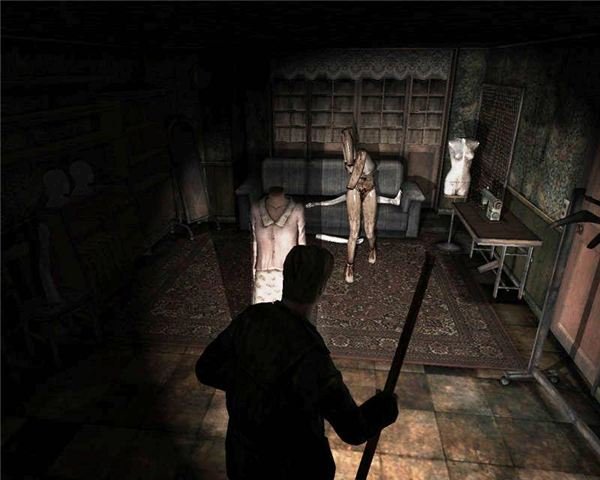
Choosing the right difficulty setting enhances your gaming experience by matching challenge with your playstyle, skill level, and desired immersion in RPGs, action games, and multiplayer titles.
Understanding Difficulty Settings and Their Purpose
Difficulty settings exist to tailor games to a wide range of player skills and preferences. From “Easy” modes that focus on story and exploration to “Hard” or “Nightmare” levels designed for intense challenge, these options let you control how demanding the gameplay will be. The right difficulty can make a game feel rewarding rather than frustrating, keeping you engaged without causing burnout.
Assessing Your Playstyle and Skill Level
Before choosing a difficulty mode, consider your gaming habits. Are you a casual player who enjoys narrative and exploration? Or do you thrive on mastering complex mechanics and tough enemies? For example, RPG players who like to experiment with different character builds might prefer a medium difficulty that offers a balance of challenge and resource management. Action game enthusiasts who enjoy fast reflexes and precision might opt for higher difficulties to test their skills.
Difficulty Modes in RPGs: Balancing Story and Challenge
RPGs often provide multiple difficulty levels that affect enemy strength, resource availability, and experience gain. For instance, playing on “Story” or “Casual” modes typically reduces enemy damage and increases player survivability, making it ideal for focusing on plot and character development. Conversely, “Hard” or “Survival” modes might introduce harsher penalties for failure, requiring careful planning and skillful combat.
Consider games where permadeath or limited saves are part of harder modes, adding tension and consequence to decisions. If you enjoy exploring every quest and dialogue option without constant threat, a lower difficulty might be better. If you want a sense of accomplishment from overcoming tough encounters, stepping up the challenge can be rewarding.
Action Games: Matching Reflexes and Strategy
In action-oriented titles, difficulty settings often adjust enemy AI behavior, damage output, and player health. Choosing a mode that matches your reaction time and familiarity with game mechanics is crucial. For example, if you find yourself repeatedly dying to the same boss or section, lowering the difficulty can help you progress and learn the patterns without frustration.
On the other hand, seasoned players might seek “Hardcore” modes that remove checkpoints or limit healing items to heighten intensity. Some games feature adaptive difficulty that changes based on your performance, but manually selecting a setting allows you to control pacing and challenge more predictably.
Multiplayer Games: Balancing Fun and Fairness
While many multiplayer games don’t have traditional difficulty settings, some cooperative or PvE modes do. For instance, raid difficulty tiers or matchmaking skill brackets help ensure balanced encounters. Choosing a difficulty that matches your team’s skill level promotes fun and teamwork rather than frustration.
In competitive multiplayer, the challenge comes from other players rather than AI, but you can still adjust settings like aim assist or accessibility options to suit your comfort. Understanding the role of difficulty in multiplayer helps you set realistic expectations and enjoy the experience more fully.
Practical Tips for Experimenting with Difficulty
Don’t hesitate to try different difficulty settings early in a game to see what feels right. Many games allow changing difficulty mid-playthrough, providing flexibility. If you’re stuck or bored, adjusting the setting can refresh your experience.
Pay attention to how difficulty affects game mechanics beyond just enemy toughness. For example, some modes might reduce available resources or alter enemy behavior, requiring different strategies. Recognizing these nuances helps you pick a mode that fits your preferred gameplay style.
When to Consider Increasing or Decreasing Difficulty
If you breeze through combat and objectives without much effort, increasing difficulty can add excitement and extend replay value. Conversely, if you find yourself frequently frustrated, quitting, or losing interest, lowering the difficulty can help maintain enjoyment.
Also, consider your goals: playing for story and immersion versus seeking competitive or completionist achievements. Adjust difficulty to support those goals rather than sticking to a preset notion of what’s “right.”
Final Thoughts: Making Difficulty Work for You
Choosing the right difficulty setting is a personal decision that can greatly affect your gaming satisfaction. By understanding the options and reflecting on your playstyle and goals, you can select a mode that offers the right balance of challenge and fun.
Remember, difficulty is a tool to enhance your experience, not a test of worthiness. Feel free to experiment and adjust as you go, ensuring that every gaming session remains enjoyable and rewarding.